
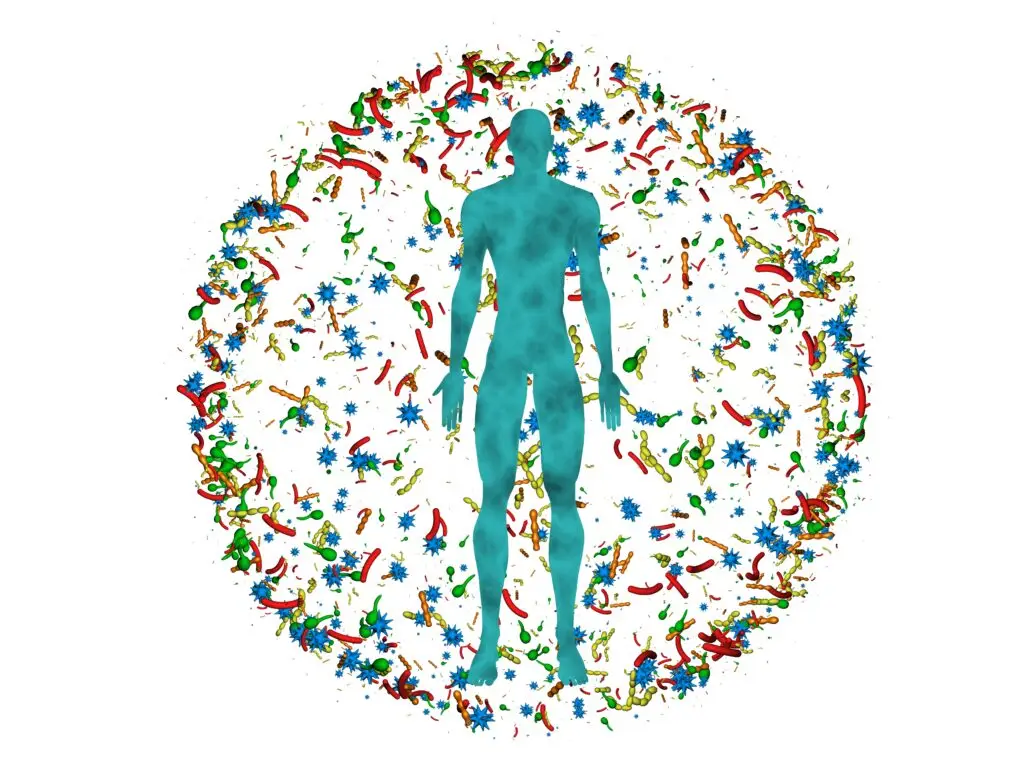
When we think about hormone health, we often focus on the thyroid, adrenal glands, ovaries, or testes. But there is another important player that deserves attention: the gut microbiome.
The trillions of microorganisms living in your digestive tract influence digestion, metabolism, immune function, and inflammation. Research also suggests that they interact with sex hormones such as estrogen and testosterone. Understanding this gut hormone connection can provide a broader perspective on hormone balance and overall wellness.
The Gut-Hormone Connection
Your relationship with your microbiome and hormones works in both directions. Hormones can influence the composition of gut bacteria, while gut bacteria can affect how certain hormones are metabolized and circulated throughout the body.
One important example is estrogen. Researchers have identified a collection of gut bacteria involved in estrogen metabolism, sometimes referred to as the estrobolome. These bacteria produce enzymes that can influence what happens to estrogen after the liver processes it.
A healthy and diverse microbiome may therefore play a role in maintaining normal estrogen metabolism. However, the science is still developing, and the microbiome is only one factor among many that influence hormone levels.
How Your Microbiome Influences Estrogen
After estrogen is metabolized by the liver, it can be prepared for elimination through the digestive tract. Certain gut bacteria produce an enzyme called β-glucuronidase, which can change how some estrogen compounds are processed.
This may affect whether estrogen is eliminated from the body or reabsorbed into circulation. When the gut microbiome is disrupted, changes in bacterial activity could potentially alter this process.
This is one reason gut health and hormones are increasingly being studied together. Factors such as diet, medications, stress, sleep, physical activity, and overall metabolic health can all influence the microbiome and, indirectly, the hormonal environment.
Can Better Gut Health Support Hormone Balance?
Supporting your microbiome is a worthwhile part of a healthy lifestyle, even though it should not be viewed as a guaranteed hormone-balancing treatment.
A diverse, fiber-rich diet can help nourish beneficial gut bacteria. Vegetables, fruits, legumes, whole grains, nuts, and seeds provide different types of dietary fiber that microorganisms can use. Fermented foods may also contribute beneficial microorganisms to the diet.
Adequate sleep, regular movement, stress management, and avoiding unnecessary disruption of the gut microbiome are also important components of overall wellness.
At The Hormone Upgrade, a whole-person approach recognizes that hormone health doesn’t exist in isolation. Their functional medicine approach considers factors such as hormones, gut health, nutrition, lifestyle, and metabolic health when evaluating an individual’s needs.
The Bigger Picture
The connection between gut health hormones and the microbiome is an exciting area of research. Your gut bacteria may influence how estrogen and testosterone are metabolized, while your hormonal environment can also influence the microbiome.
Still, there is no single “ideal” microbiome or simple gut protocol that works for everyone. The best approach is to look at your overall health, symptoms, nutrition, lifestyle, and appropriate laboratory findings rather than focusing on one factor alone.
If you’re experiencing symptoms that may be related to hormone imbalance, discussing them with a qualified healthcare professional can help identify the underlying factors and determine whether further evaluation is appropriate.
Frequently Asked Questions
1. Can gut bacteria affect estrogen levels?
Yes. Certain gut bacteria participate in estrogen metabolism and may influence whether estrogen compounds are eliminated or reabsorbed. However, many factors besides the microbiome affect estrogen levels.
2. Does gut health affect testosterone?
Research suggests there is a relationship between gut microbiota and testosterone metabolism, but scientists are still determining exactly how this interaction works. Gut health is one piece of a much larger hormone-health picture.
3. What foods support the microbiome and hormone health?
A varied diet containing vegetables, fruits, legumes, whole grains, nuts, and seeds provides fiber that supports diverse gut bacteria. Fermented foods can also be included as part of a balanced diet.
4. Should I take probiotics for hormone balance?
Not necessarily. Probiotics may support digestive health for some people, but they should not be considered a guaranteed treatment for estrogen or testosterone imbalance. Individual needs vary, so it’s best to discuss supplementation with a qualified healthcare professional.