
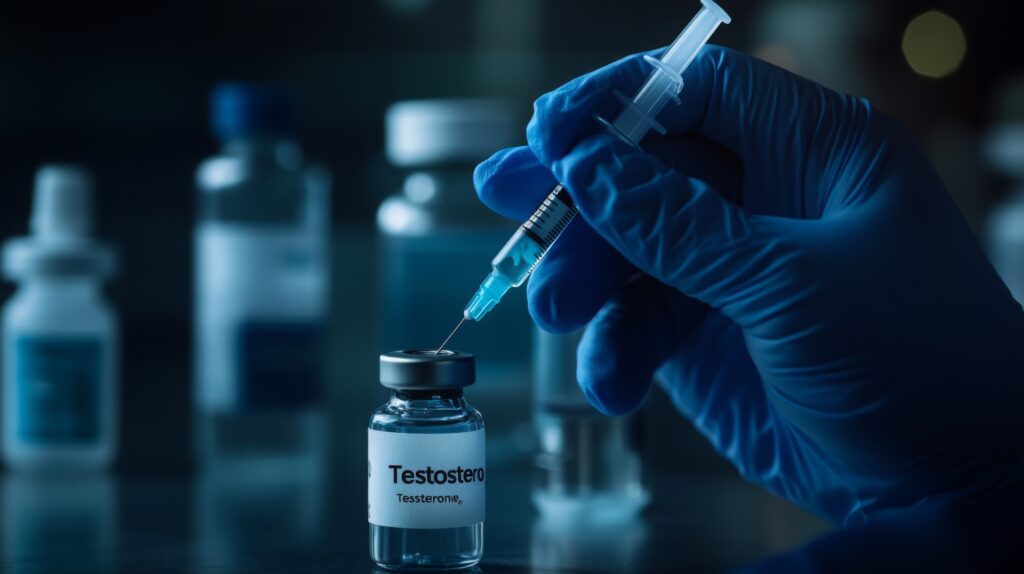
Low testosterone is more common than many men realize, and its effects go far beyond just energy levels or libido. Testosterone plays a central role in muscle mass, mood regulation, bone strength, and overall metabolic health. When levels drop below normal, the body can experience a wide range of physical and emotional changes that often develop gradually.
Understanding the signs, causes, and treatment options including medically guided low testosterone therapy can help men take control of their health earlier and more effectively.
Common Symptoms of Low Testosterone
The symptoms can vary widely and often develop slowly, which makes them easy to overlook at first. Some of the most common signs include:
- Persistent fatigue or low energy
- Reduced sex drive
- Difficulty maintaining muscle mass
- Increased body fat, especially around the abdomen
- Mood changes such as irritability or depression
- Trouble concentrating or brain fog
- Decreased strength or endurance
These symptoms often overlap with other health conditions, which is why proper testing is essential before starting any form of treatment, including low testosterone therapy.
How Low Testosterone Affects Men’s Health
When testosterone levels drop, the impact can be felt across multiple body systems:
1. Physical Health
Low testosterone is linked to decreased muscle mass and bone density. Over time, this can increase the risk of fractures and physical weakness. Men may also notice weight gain, especially fat accumulation in the abdominal area, which can further contribute to metabolic issues.
2. Sexual Health
One of the most noticeable effects is reduced libido and performance issues. Testosterone plays a key role in sexual function, and low levels can contribute to erectile difficulties and reduced satisfaction.
3. Mental and Emotional Health
Hormones significantly influence mood and cognitive function. Men with low testosterone often report fatigue, irritability, anxiety, and difficulty focusing. These changes can affect work performance and relationships.
4. Long Term Health Risks
Research suggests that untreated low testosterone may be associated with higher risks of insulin resistance, cardiovascular issues, and reduced quality of life over time.
What Causes Low Testosterone?
Several factors can contribute to low testosterone levels, including:
- Aging and natural hormonal decline after age 30 to 40
- Chronic illnesses such as diabetes or obesity
- Hormonal disorders affecting the pituitary gland
- Testicular injury or infection
- Certain medications including steroids or opioids
- High stress levels and poor sleep habits
Lifestyle factors often play a major role, meaning improvements in daily habits can sometimes significantly influence hormone balance.
What Can Be Done About Low Testosterone?
The good news is that low testosterone can often be managed effectively once properly diagnosed. Treatment depends on the underlying cause and severity of symptoms.
Lifestyle Changes
Before considering medical intervention, doctors often recommend lifestyle improvements such as:
- Regular strength training and exercise
- Improved sleep quality
- Balanced diet rich in protein, healthy fats, and micronutrients
- Weight management
- Stress reduction techniques
These changes can naturally support hormone production in some men.
Medical Treatment Options
When lifestyle changes are not enough, doctors may recommend hormone replacement therapy. One of the most widely used approaches is low testosterone therapy, which helps restore hormone levels to a healthier range under medical supervision.
This therapy can improve energy levels, mood, muscle strength, and sexual health in men diagnosed with clinically low testosterone. However, it must be carefully monitored through blood tests and follow ups to ensure safety and effectiveness.
It is important to note that treatment is not one size fits all. A holistic medical practitioner like The Hormone Upgrade will evaluate symptoms, lab results, and overall health before recommending any form of hormone therapy.
Why Early Diagnosis Matters
Many men ignore early symptoms, assuming they are just part of aging or stress. However, early detection can prevent symptoms from worsening and improve long term health outcomes. A simple blood test is usually enough to determine testosterone levels and guide treatment decisions.
Final Thoughts
Low testosterone can significantly affect a man’s physical, emotional, and sexual well-being, but it is a manageable condition when properly addressed. With the right combination of lifestyle changes and medically supervised low testosterone therapy, many men experience noticeable improvements in quality of life.
If symptoms are present, seeking medical evaluation early is the most effective step toward restoring balance and long-term health.
FAQs
1. Can lifestyle changes improve testosterone levels naturally?
Yes, improvements in sleep, diet, exercise, and stress management can help support healthy hormone production, especially in mild cases.
2. Is testosterone decline always related to aging?
Not always. While aging plays a role, medical conditions, obesity, and certain medications can also significantly lower testosterone levels.
3. How long does it take to see results from treatment?
Many men begin noticing improvements within a few weeks of starting treatment, but full benefits may take several months depending on individual response.