
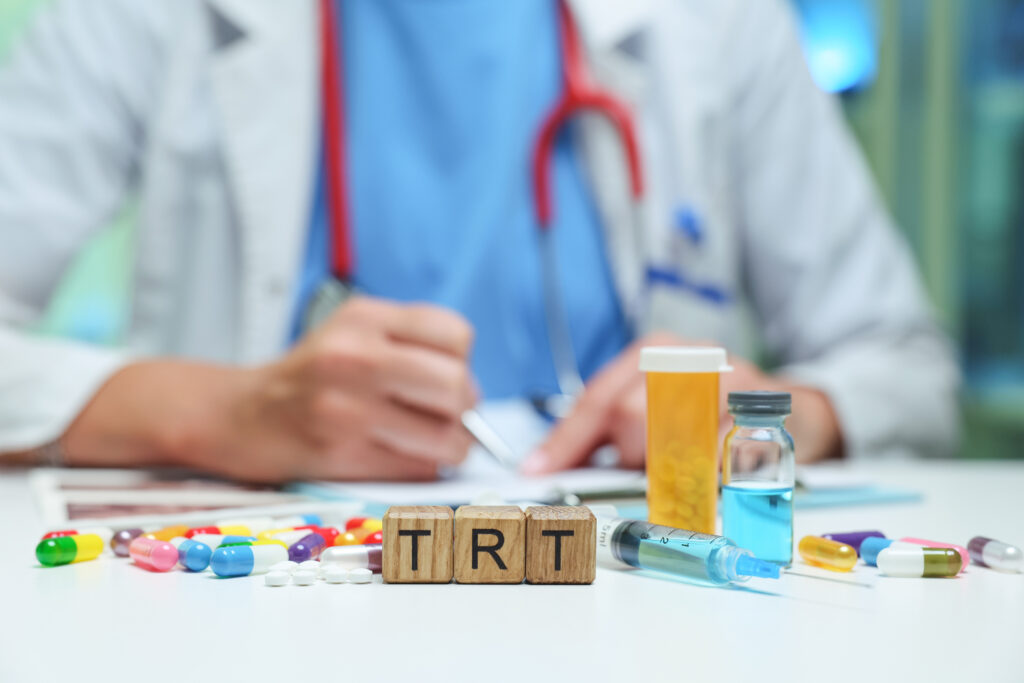
Testosterone replacement therapy (TRT) can help men with clinically low testosterone improve symptoms such as fatigue, reduced sex drive, and low energy. But if you’re planning to have children, there’s an important question to consider: Does TRT affect fertility?
The short answer is yes. TRT can significantly reduce sperm production, making it harder to conceive. Understanding the connection between TRT and fertility can help you make informed decisions before starting treatment.
How Does TRT Affect Male Fertility?
Testosterone plays an essential role in male reproductive health. However, taking testosterone from an outside source can interfere with the body’s natural hormone production.
Normally, the brain releases luteinizing hormone (LH) and follicle-stimulating hormone (FSH). These hormones signal the testicles to produce testosterone and sperm.
When you begin TRT, your brain detects increased testosterone levels and reduces LH and FSH production. This can lower testosterone levels inside the testicles, even when blood testosterone levels are normal or high.
As a result, sperm production may decrease significantly or stop altogether, leading to very low sperm counts or azoospermia, a condition where no sperm are found in semen.
Can TRT Cause Permanent Infertility?
One common concern about TRT and fertility is whether the effects are permanent.
For many men, sperm production gradually returns after stopping testosterone therapy. However, recovery varies depending on factors such as treatment duration, age, and underlying reproductive health.
Some men recover within several months, while others may need a year or longer. Unfortunately, complete recovery isn’t guaranteed.
It’s also important to remember that TRT is not a reliable form of birth control. Pregnancy can still occur while taking testosterone.
How Can Men Protect Their Fertility Before Starting TRT?
If you’re considering TRT but want biological children in the future, discussing fertility preservation with your healthcare provider is essential.
A semen analysis can help establish your sperm count and reproductive health before treatment.
Sperm banking is another option. Freezing sperm before starting TRT may provide additional reproductive choices later.
Depending on your medical needs, a specialist may also discuss alternatives such as human chorionic gonadotropin (hCG) or clomiphene citrate. These treatments can support natural testosterone production and may help preserve sperm production in selected patients.
However, they aren’t suitable for everyone and require medical supervision.
What Should You Discuss With Your Doctor Before TRT?
Before beginning testosterone therapy, talk openly with your healthcare provider about your family planning goals.
Ask whether your symptoms and laboratory results confirm testosterone deficiency, how treatment could affect sperm production, and whether a fertility evaluation is appropriate.
At The Hormone Upgrade, we believe understanding your options is an important part of making informed decisions about hormone health.
Frequently Asked Questions
1. Does TRT lower sperm count?
Yes. TRT suppresses hormones responsible for sperm production, potentially causing significantly reduced sperm counts or even no detectable sperm.
2. Can you get someone pregnant while taking TRT?
Yes. Although TRT can reduce fertility, it doesn’t guarantee infertility. Pregnancy remains possible during treatment.
3. How long does fertility take to recover after stopping TRT?
Recovery often takes several months, sometimes a year or longer. Individual outcomes vary, and complete recovery isn’t guaranteed.