
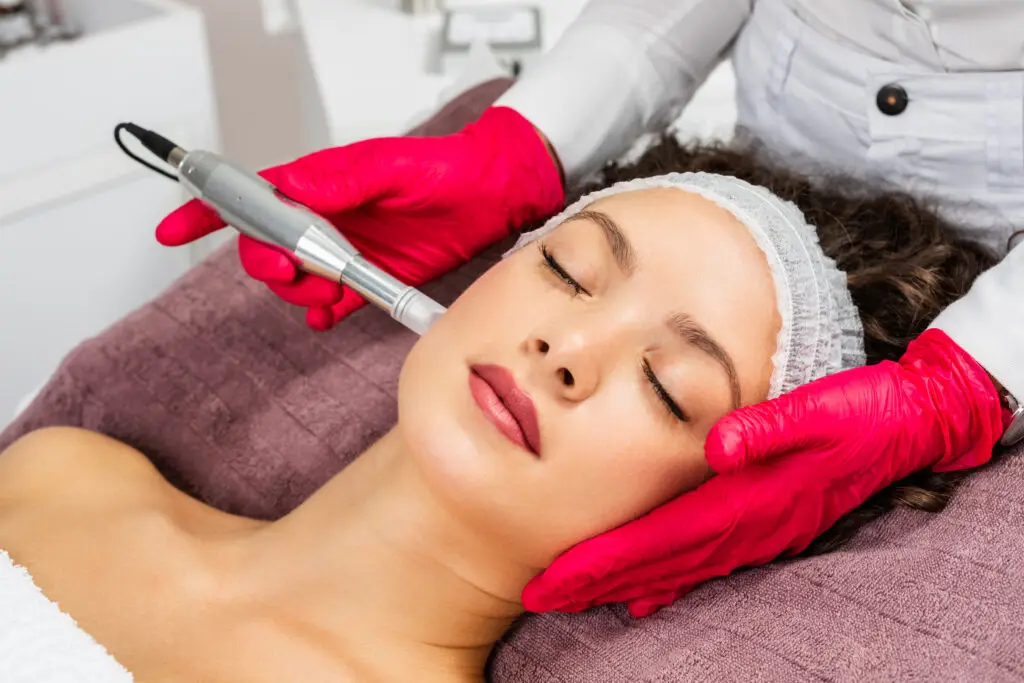
Your 40s can bring noticeable changes in the way your skin looks and feels. Fine lines may become more visible, skin texture can become less even, and years of sun exposure can contribute to pigmentation and other signs of photoaging. If you are looking for a minimally invasive way to refresh your complexion, you may have come across PRP microneedling in San Diego.
But is it actually worth it?
For many women, PRP microneedling can be a worthwhile option when the goal is gradual improvement in skin texture, fine lines, and overall skin quality. However, it is not a one-size-fits-all treatment, and understanding what it can realistically accomplish is important.
What Happens to Your Skin in Your 40s?
As we age, collagen production naturally declines. This can contribute to fine lines, reduced elasticity, uneven texture, and a less firm appearance. Sun exposure can add to visible pigmentation and other signs of skin aging.
Microneedling addresses some of these concerns by creating controlled micro-injuries in the skin, which stimulates the body’s natural healing response and collagen production. The American Academy of Dermatology notes that microneedling can improve concerns including wrinkles, uneven skin tone, enlarged pores, and skin texture.
For women in their 40s, that collagen-focused approach can be appealing because the goal is typically to improve skin quality rather than dramatically change facial features.
How Does PRP Microneedling Work?
PRP stands for platelet-rich plasma. During treatment, a small amount of your blood is drawn and processed to separate the platelet-rich portion. That PRP can then be applied to the skin during or after microneedling.
The idea is to combine the collagen-stimulating effects of microneedling with growth factors found in PRP to support the skin’s natural repair process.
Research into PRP for facial rejuvenation is promising but not definitive. A 2025 systematic review found improvements in several measures of facial aging across the available studies, while also noting that results and treatment protocols vary.
That distinction matters: PRP microneedling should be viewed as a treatment that may support gradual skin rejuvenation, not as a guaranteed solution for every sign of aging.
Why Might PRP Microneedling Be Worth It in Your 40s?
One of the biggest advantages is that the treatment focuses on skin quality. Rather than simply masking imperfections, microneedling encourages collagen production over time.
Women may consider PRP microneedling when they want to address concerns such as fine lines, uneven texture, enlarged pores, or the effects of sun exposure. Results are generally gradual rather than immediate. According to the American Academy of Dermatology, improvement from microneedling can begin within weeks, with fuller results developing over several months.
It is also minimally invasive compared with surgical procedures, although temporary redness, swelling, sensitivity, or other irritation can occur.
Is PRP Better Than Regular Microneedling?
This is where the answer becomes more personal.
Regular microneedling already stimulates collagen production, so adding PRP does not automatically mean you will see dramatically better results. Evidence surrounding PRP for facial rejuvenation remains mixed, and studies use different preparation methods and treatment protocols.
For some women, the additional PRP component may be appealing because they want a more comprehensive regenerative approach. For others, traditional microneedling may be enough for their goals.
The right choice depends on your skin concerns, treatment history, expectations, and budget.
What Should San Diego Women Expect?
A typical treatment begins with a consultation to evaluate your skin and discuss your goals. If PRP is included, a small blood sample is collected and processed while your skin is prepared for microneedling.
After treatment, your skin may look red or feel sensitive for a short period. You will also receive aftercare instructions, including guidance on protecting your skin from sun exposure while it heals.
Because collagen remodeling takes time, patience is important. A personalized treatment plan may involve multiple sessions depending on your goals and how your skin responds.
FAQs
1. Is PRP microneedling good for women over 40?
It can be a useful option for women seeking gradual improvements in fine lines, skin texture, and overall skin quality. Candidacy depends on individual skin concerns and health factors.
2. Does PRP microneedling help with wrinkles?
Microneedling stimulates collagen production and may help soften the appearance of fine lines and wrinkles over time. Results vary and typically develop gradually.
3. How much downtime does PRP microneedling require?
Downtime is generally limited, but temporary redness, sensitivity, or swelling can occur. Your provider should give you individualized aftercare instructions.