
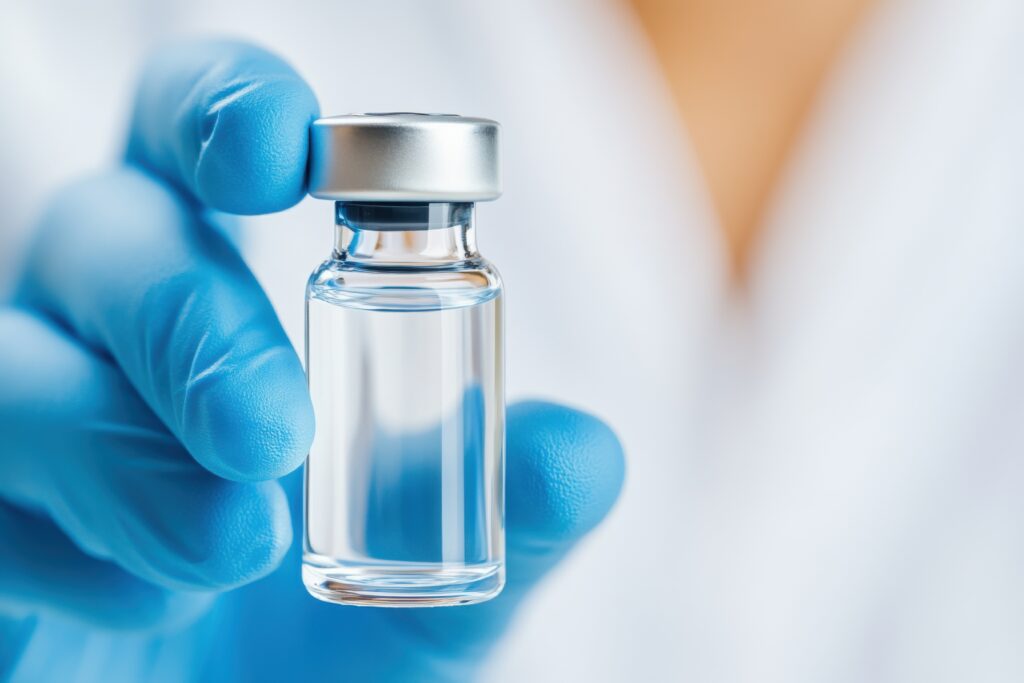
In the world of integrative and regenerative medicine, peptide therapy has gained attention for its ability to support the body at a cellular level. Rather than masking symptoms, this approach works by enhancing how the body naturally communicates, repairs, and regenerates. For individuals focused on recovery, longevity, and optimized performance, peptide therapy in Anaheim Hills offers a science-backed option that aligns with how the body is designed to function.
What Is Peptide Therapy?
Peptides are short chains of amino acids, which are the building blocks of proteins. Your body naturally produces peptides to regulate essential processes such as hormone signaling, immune response, metabolism, and tissue repair. Peptide therapy involves supplementing or restoring specific peptides to encourage targeted biological responses.
As we age or experience chronic stress, illness, or injury, natural peptide production can decline. Therapeutic peptides are designed to mimic or enhance the body’s own peptides, allowing cells to receive clearer instructions for healing and regulation.
How Peptide Therapy Works in the Body
Peptides function primarily as messengers. When introduced into the body, they bind to receptors on cells and signal them to take specific actions, such as repairing tissue, reducing inflammation, or supporting hormone balance.
What makes peptide therapy unique is its precision. Instead of broadly stimulating the body, peptides work through targeted cellular communication. This allows for a more personalized approach to wellness, particularly when protocols are customized based on individual needs and goals.
Peptides may be delivered in several forms, most commonly through injections, though oral and topical options exist for specific applications. The method depends on the peptide used and how it is best absorbed by the body.
The Role of Peptides in Healing and Recovery
One of the most compelling benefits of peptide therapy is its role in supporting healing and recovery. Certain peptides are known to encourage cellular regeneration, which is essential for repairing muscles, tendons, ligaments, and connective tissue.
By improving cellular repair mechanisms, peptide therapy may help reduce recovery time after workouts, injuries, or periods of physical strain. Many people also report improvements in inflammation management, which plays a key role in both acute injuries and chronic conditions.
For individuals dealing with lingering aches, slow healing, or repeated setbacks, peptides can help create an internal environment that supports more efficient recovery.
Peptide Therapy for Performance and Vitality
Beyond healing, peptide therapy is often used to support physical and cognitive performance. Some peptides influence muscle growth, fat metabolism, and energy regulation, making them appealing to active individuals and those focused on body composition.
Others play a role in brain health, supporting focus, mental clarity, and overall cognitive resilience. When the body’s signaling systems are functioning optimally, many people notice improvements not only in physical stamina, but also in motivation and mental performance.
Hormonal balance is another important factor. Because peptides interact closely with endocrine pathways, they are often used alongside hormone optimization strategies to support metabolic efficiency and long-term vitality.
Common Types of Peptides Used in Therapy
There are many peptides used in clinical settings, each serving a different purpose. Some are commonly associated with tissue repair and recovery, while others focus on longevity, immune support, or metabolic health.
Rather than taking a one-size-fits-all approach, peptide therapy works best when protocols are selected based on individual health markers, lifestyle, and goals. This personalized strategy helps ensure the therapy supports the body without overstimulation.
Who May Benefit from Peptide Therapy?
Peptide therapy may be a good fit for a wide range of individuals. Active adults looking to improve recovery, people experiencing persistent fatigue, and those interested in healthy aging often explore peptides as part of a broader wellness plan.
It may also appeal to individuals who prefer integrative therapies that work with the body’s natural processes rather than overriding them. As with any medical treatment, professional evaluation is essential to determine whether peptide therapy is appropriate.
Is Peptide Therapy Safe?
When administered under medical supervision, peptide therapy is generally well tolerated. Because peptides are composed of amino acids already found in the body, the risk profile is often lower than that of many synthetic medications.
That said, quality, sourcing, and proper dosing matter. Working with a knowledgeable provider ensures peptides are used safely and effectively. In the United States, peptide use is regulated, and reputable providers follow guidance informed by the Food and Drug Administration.
FAQs
How long does it take to notice results?
Results vary depending on the peptide and individual health factors, but many people notice changes within a few weeks of consistent, guided use.
Can peptides be combined with hormone optimization?
Yes, peptides are often used alongside hormone optimization plans because they work through complementary biological pathways.
Are peptides the same as steroids?
No, peptides are not steroids. They work by signaling natural processes in the body rather than forcing hormonal changes.
Do peptides require ongoing use?
Some peptides are used short-term for recovery or repair, while others may be part of a longer wellness strategy depending on individual goals.