
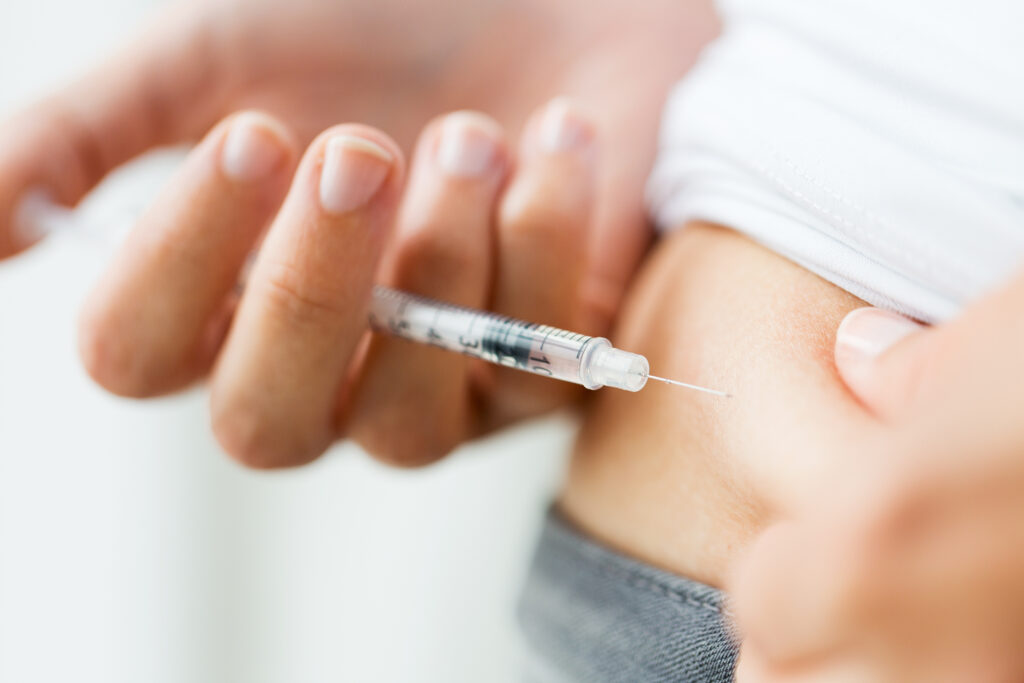
Hormone health has become a major topic of conversation in recent years, and in 2026, that conversation is only getting louder. More people are connecting symptoms like fatigue, weight gain, low libido, mood changes, and brain fog to underlying hormone imbalances. As awareness grows, so does interest in treatment options, especially hormone pellet therapy and BHRT.
At The Hormone Upgrade, we believe education is the first step toward better health. If you have been researching hormone therapy and feel overwhelmed by conflicting information, you are not alone. This guide breaks down hormone pellet therapy vs. BHRT in clear, simple terms so you can better understand how these options work and what might be right for you.
Why Hormone Therapy Is a Growing Conversation in 2026?
Hormonal imbalances can affect both men and women at different stages of life. For women, this often shows up during perimenopause and menopause. For men, declining testosterone levels can cause noticeable physical and mental changes over time. Stress, poor sleep, environmental factors, and aging all play a role.
What has changed in recent years is the move toward personalized medicine. Rather than masking symptoms, many people now want to understand what is happening inside their bodies and address the root cause. This shift has made bioidentical hormone replacement therapy more popular than ever because it focuses on restoring balance instead of offering a one size fits all solution.
What Is BHRT (Bioidentical Hormone Replacement Therapy)?
BHRT stands for bioidentical hormone replacement therapy. It uses hormones that are chemically identical to the ones your body naturally produces, such as estrogen, progesterone, and testosterone. Because of this similarity, many patients find BHRT easier to tolerate compared to synthetic hormone options.
BHRT is not a single treatment. It is a category that includes several delivery methods. These may include creams, gels, oral medications, injections, or pellets. The shared goal is to bring hormone levels back into a healthier range while closely monitoring symptoms and lab results.
One of the key benefits of BHRT is flexibility. Doses can often be adjusted as your body responds, making it a dynamic and personalized approach to hormone optimization.
What Is Hormone Pellet Therapy?
Hormone pellet therapy is one specific form of BHRT. Instead of daily applications or weekly injections, small pellets containing bioidentical hormones are placed just under the skin, typically in the hip or upper buttock area.
Once inserted, the pellets slowly release hormones into the bloodstream over several months. Most patients receive new pellets every three to six months, depending on their individual needs and hormone levels.
Pellet therapy is often chosen by people who want a low maintenance option. There is no need to remember daily doses, and hormone delivery tends to remain steady throughout the release period.
Hormone Pellet Therapy vs. Traditional BHRT Methods
While hormone pellet therapy falls under the BHRT category, it differs in important ways from other delivery methods. Understanding these differences can help clarify which option aligns best with your lifestyle and health goals.
Delivery Method and Convenience
One of the biggest differences is convenience. Creams, gels, and oral medications usually require daily use, while injections may be weekly or biweekly. Hormone pellet therapy only requires a minor in office procedure a few times per year.
For people with busy schedules or those who struggle with consistency, pellets can feel easier to manage. Others prefer daily or weekly methods because they feel more involved in their dosing.
Hormone Stability and Consistency
Pellets are designed to provide a steady release of hormones, which may help reduce the ups and downs some people experience with other methods. In contrast, injections or topical treatments can sometimes lead to fluctuations, especially if doses are missed or absorbed unevenly.
Everybody responds differently. What feels stable for one person may not feel the same for another, which is why ongoing monitoring is important with any form of BHRT.
Customization and Dosing
Both hormone pellet therapy and other BHRT options can be customized, but in different ways. Pellets are dosed based on lab results, symptoms, and medical history. Once inserted, the dose cannot be adjusted until the pellet dissolves naturally.
Other BHRT methods offer more flexibility. If symptoms change or side effects occur, providers can often adjust the dosage more quickly. This can be helpful for patients who are new to hormone therapy or still finding their ideal levels.
Safety, Side Effects, and Monitoring
Safety should always be a priority when starting hormone therapy. Common side effects across BHRT methods may include fluid retention, acne, breast tenderness, or mood changes, particularly during the adjustment phase.
Regardless of the delivery method, proper lab testing and medical supervision are essential. Reputable providers emphasize regular follow ups to ensure hormone levels stay within a safe and effective range.
Pros and Cons of Hormone Pellet Therapy
Hormone pellet therapy offers several advantages, including convenience, steady hormone delivery, and reduced daily maintenance. Many patients report improved energy, mood, libido, and mental clarity once their levels stabilize.
However, pellets are not ideal for everyone. Because the dose cannot be changed immediately, they may not be the best choice for individuals who prefer gradual adjustments or are sensitive to hormonal shifts. There is also a small risk of irritation or infection at the insertion site, although this is uncommon when performed by experienced providers.
Pros and Cons of Other BHRT Options
Topical creams and gels are popular because they are easy to start and adjust. Oral options may feel familiar, while injections appeal to those who want precise dosing. These methods allow for faster changes if symptoms evolve.
The downside is consistency. Daily or weekly treatments require commitment, and missed doses can lead to hormone fluctuations. Absorption can also vary depending on skin type, metabolism, and lifestyle factors.
Which Hormone Therapy Option Is Right for You?
There is no universal answer when it comes to hormone therapy. The right choice depends on your symptoms, age, lifestyle, medical history, and personal preferences. Some people prioritize convenience, while others value flexibility and control.
This is why working with a knowledgeable provider matters. A personalized approach ensures your treatment plan evolves with your body rather than forcing your body to adapt to a rigid protocol.
What to Expect When Starting BHRT or Pellet Therapy
Most hormone therapy journeys begin with an in depth consultation and comprehensive lab testing. This helps identify imbalances and establishes a baseline for treatment.
Symptom improvement does not usually happen overnight. Many people notice gradual changes over several weeks, with continued improvements over a few months. Ongoing follow ups allow for adjustments and help support long term success.
Final Thoughts
When comparing hormone pellet therapy vs. BHRT, it is important to remember that pellets are simply one delivery method within a broader personalized framework. Education, proper testing, and medical guidance are the foundation of safe and effective hormone optimization.
At The Hormone Upgrade, we focus on helping patients understand their options so they can make confident, informed decisions about their health for today and for the years ahead.
Frequently Asked Questions (FAQs)
Is hormone pellet therapy considered BHRT?
Yes. Hormone pellet therapy uses bioidentical hormones, which makes it a form of BHRT. The main difference is how the hormones are delivered.
How long do hormone pellets last?
Most hormone pellets last between three and six months, depending on metabolism and dosage.
Is BHRT safer than synthetic hormone therapy?
BHRT uses hormones identical to those produced by the body, which many people tolerate better. Safety still depends on proper dosing, monitoring, and medical supervision.
Can men use hormone pellet therapy?
Yes. Hormone pellet therapy is commonly used for men with low testosterone, as well as for women with hormone imbalances.
How do I know which hormone therapy is right for me?
The best way to decide is through comprehensive lab testing and a personalized consultation with a qualified hormone specialist.